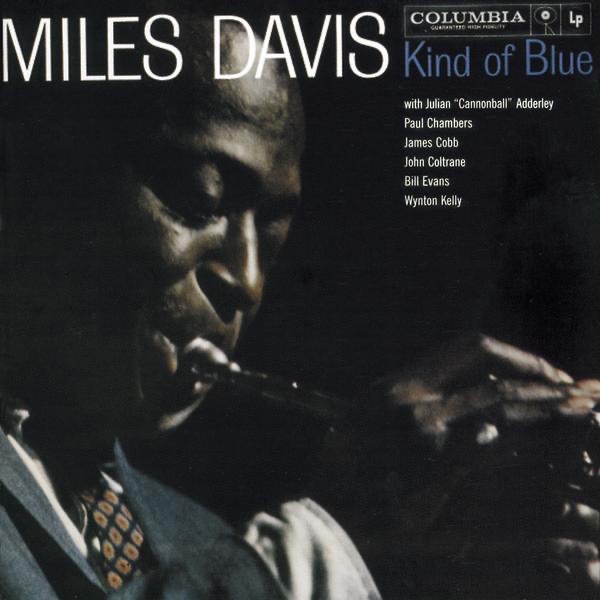
🎧 Reference / Inspiration Album
Miles Davis — Kind of Blue
The benchmark analog masterpiece inspiring this curated 5-album vinyl collector’s guide.
⚡ Key Highlights of Article
- Explore modal jazz masterpieces featuring musicians who played on Kind of Blue.
- Discover late-night, relaxed jazz vibes similar to Miles Davis’ legendary album.
- Learn key vinyl pressing tips for reissue labels like Blue Note and Riverside.
- Expand your collection with accessible classic jazz records.
- Understand the musical lineage of modal and cool jazz.
📋 In This Vinyl Guide (5 Albums)Toggle Jump List ⌃
Miles Davis’ Kind of Blue is often the gateway drug into the wonderful world of vinyl jazz. Its relaxed modal grooves and late-night atmosphere make it a timeless masterpiece that belongs on every turntable. But once the needle drops on the final track, where do you head next?
If you are craving that same warm, spacious sound and effortless cool, you are in luck. We picked five incredible albums that share the same musical DNA, featuring many of the exact same legendary players.
Whether you want lush piano trio harmonies or late-night trumpet magic, these records are guaranteed to shine on your setup.
Essential Modal Jazz / Cool Jazz Albums Ranked
Cannonball Adderley — Somethin’ Else
Label: Blue Note • Released: 1958

Cannonball Adderley — Somethin’ Else
Label: Blue Note • Released: 1958
Cannonball Adderley played alto sax on Kind of Blue, and Miles Davis actually sideman-ed on this record as a rare favor. The chemistry between them is electric yet super laid-back, offering that same smooth modal groove you love.
🔊 PREVIEW TOP TRACKS
Bill Evans Trio — Waltz for Debby
Label: Riverside • Released: 1962

Bill Evans Trio — Waltz for Debby
Label: Riverside • Released: 1962
Pianist Bill Evans was crucial in shaping the lush, modal sound of Kind of Blue. This live trio recording captures his delicate touch and poetic phrasing in an intimate, clinking-glasses village club environment.
🔊 PREVIEW TOP TRACKS
Chet Baker — Chet
Label: Riverside • Released: 1959

Chet Baker — Chet
Label: Riverside • Released: 1959
Subtitled ‘The Lyrical Trumpet of Chet Baker’, this instrumental release is pure late-night mood music. If the gentle trumpet melodies on Blue in Green gave you chills, Chet’s soft and romantic tone will hit the exact same spot.
🔊 PREVIEW TOP TRACKS
John Coltrane — My Favorite Things
Label: Atlantic • Released: 1961

John Coltrane — My Favorite Things
Label: Atlantic • Released: 1961
John Coltrane’s tenor saxophone was a primary voice on Kind of Blue. On this album, he shifts to soprano sax and dives deeper into modal improvisation, taking familiar melody roots into hypnotic, mesmerizing soundscapes.
🔊 PREVIEW TOP TRACKS
Wayne Shorter — Speak No Evil
Label: Blue Note • Released: 1966

Wayne Shorter — Speak No Evil
Label: Blue Note • Released: 1966
Wayne Shorter joined Miles Davis shortly after Kind of Blue to help launch the ‘Second Great Quintet’. This solo effort showcases complex modal tunes that feel mysterious, sophisticated, and deeply atmospheric.
🔊 PREVIEW TOP TRACKS
❓ Frequently Asked Questions (Modal Jazz / Cool Jazz)
Q: Why does Kind of Blue sound so different from other jazz albums of the 1950s?
Kind of Blue popularized ‘modal jazz’, which used musical modes or scales as the framework for solos instead of rapid, complex chord changes typical of bebop. This gave the musicians immense freedom to stretch out, creating a spacious and relaxed feel.
Q: Did the band rehearse before recording Kind of Blue?
Barely at all! Miles Davis brought simple sketches and scale outlines into Columbia’s 30th Street Studio, wanting the musicians to rely on raw instinct and spontaneous creativity during the tape rolls.
Q: Which musicians on Kind of Blue went on to lead their own famous bands?
Virtually everyone! Tenor saxophonist John Coltrane, alto saxophonist Cannonball Adderley, and pianist Bill Evans all became iconic bandleaders who shaped the future of modern jazz.
Q: What makes Bill Evans’ piano playing so important to this style of jazz?
Bill Evans brought classical impressionist harmonies and a light, singing touch to the piano. His chord voicings gave the modal compositions their dreamy, emotional color and open space.
Vinyl Crate-Digging & Buying Guide
Finding great jazz vinyl does not require spending hundreds on original 1950s pressings. Start by browsing the jazz bins at your local record store for modern reissue series like Blue Note Classic Vinyl, Craft Recordings OJC (Original Jazz Classics), or Tone Poet. These pressings use analog masters to deliver stunning sound quality at reasonable prices. When crate-digging for vintage copies, check the wax condition under good light—jazz benefits immensely from quiet surfaces!
Final Thoughts
If you fell in love with vinyl because of Kind of Blue, you are at the start of an amazing musical journey. Grab one of these records, dim the lights, drop the needle, and let these master musicians take you away!