Buying, Selling & Valuing Vinyl: Crate Digging Advice
Buying, Selling & Valuing Vinyl: Crate Digging Advice
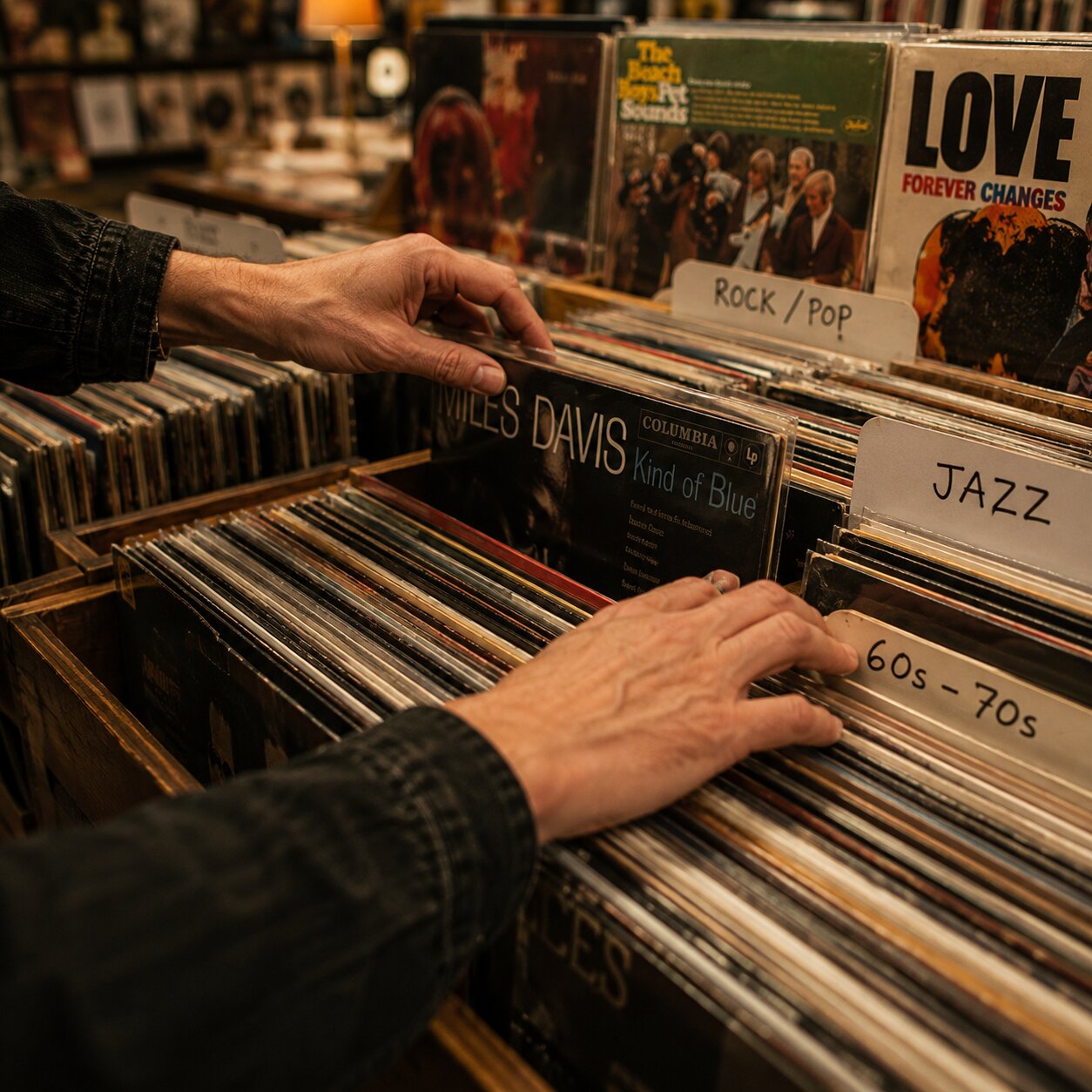
Crate digging has cost me a fair bit of money and given me some of my favourite records. The trick is knowing what to look for, when to walk away, and how to price things fairly when selling. Everything in this guide comes from years of buying and selling through Discogs, eBay, and local shops.
Buying, selling, and valuing secondhand vinyl requires evaluating condition grades, referencing real sales history on Discogs, avoiding common online scams, and using proper protective mailers for shipping. Understanding marketplace dynamics ensures fair purchase prices, maximizes collection value, and prevents transactional losses when trading or selling records.
Navigating the secondhand vinyl market is where knowledge directly saves you money. Whether you are hunting for rare original pressings at a weekend record fair or liquidating duplicate copies online, knowing how to evaluate seller credibility, analyze historical sale data, and package vinyl safely makes all the difference. Here is your complete guide to buying, selling, and pricing vinyl intelligently.
How to Buy Secondhand Vinyl Safely
Protecting yourself when buying secondhand vinyl requires identifying seller red flags, understanding buyer protection policies, and accounting for international shipping risks.

Red Flags and Common Scams
When shopping on online platforms like eBay, Discogs, or social media sales groups (such as Reddit’s r/VinylCollectors or Facebook Groups), watch out for these transactional red flags:
- Stock photos used instead of actual item photos: Sellers who rely exclusively on generic stock images are often hiding jacket seam splits, ring wear, or vinyl scratches. Always request actual photographs of the physical record disc and sleeve under direct light.
- Vague or conflicting grade descriptions: Listings stating “Near Mint vinyl with minor scratches” or “graded visually under weak light” indicate seller overgrading. A true Near Mint record has zero visible scratches.
- Unrealistically low prices on rare pressings: An original “RL” Led Zeppelin II or Blue Note first pressing listed at 20% of market value is almost certainly a counterfeit, bootleg, or scam listing.
- Sellers requesting off-platform payment: Never send money via PayPal “Friends & Family,” Venmo, CashApp, or direct bank wire. Always use payment methods with buyer protection (like PayPal “Goods & Services”) to ensure full refund eligibility if items arrive damaged, misgraded, or unreceived.
- Newly created seller accounts with zero feedback: Exercise extreme caution when buying expensive records from brand-new accounts lacking verified buyer/seller transaction history.
If you receive a record that is significantly below the seller’s stated condition grade, document the flaws immediately. Take high-resolution photos of the scratches, record a short video of the surface noise during audio playback, and open a formal refund dispute through PayPal or Discogs within the seller’s stated return window. Reputable sellers will offer a partial refund to cover the grade discrepancy or provide a pre-paid return shipping label.
International Shipping and Customs Considerations
Importing records from international sellers opens up rare Japanese and European pressings, but introduces specific shipping risks:
- Seam split damage during transit: Vinyl discs shifting inside jackets during international transit can burst through top and spine seams due to rough postal handling. Always send a message requesting that the seller remove the vinyl disc from the outer jacket and place it behind the sleeve inside a clear poly outer sleeve before shipping.
- Customs fees and import taxes: International shipments entering the US, UK, or EU above duty-free thresholds incur VAT, customs duties, and brokerage handling fees upon delivery. Factor these import taxes into your total purchase budget before placing international bids.
- Unpadded mailing boxes: Weak pizza-box style mailers bend easily, crushing album jacket corners. Request rigid, heavy-duty corrugated mailers with extended corner bumpers and stiffening cardboard inserts.
To understand how physical condition directly impacts market price, read our record grading guide.
A Beginner’s Guide to Buying on Discogs
Discogs is the world’s largest online database and commercial marketplace for physical music media.
Reading Seller Feedback
A seller’s feedback score is your primary safety metric on Discogs:
- Filter feedback by negative reviews: Look specifically for recurring complaints regarding overgrading, slow dispatch times, or flimsy packaging.
- Target 99.5%+ feedback ratings: On Discogs, a feedback score below 99% indicates a history of buyer disputes, slow communication, or misgraded records.
- Check seller inventory size: High-volume commercial sellers with tens of thousands of feedback ratings grade rapidly and may miss minor flaws, while small individual collectors often grade conservatively.
- Review seller shipping terms: Before adding items to your cart, check the seller’s shipping policy tab for flat-rate shipping tiers, minimum order amounts, and estimated dispatch handling times.
Using Want Lists and Wantlist Alerts
The Discogs Want List is a powerful tool for tracking down elusive pressings and building a curated wishlist:
1. Add specific pressing entries to your Want List: Rather than adding generic album entries, select the exact country, year, label variant, and matrix version you desire.
2. Configure automated email and app alerts: Discogs notifies you immediately via push notifications when a seller lists a copy matching your Want List parameters.
3. Combine shipping on multi-record purchases: When buying a Want List item from a seller, check their full marketplace inventory to see if they offer additional albums on your list, allowing you to combine shipping costs into a single package.
4. Act quickly on fair listings: Desirable original pressings priced at or below median market value sell within hours of listing.
For a complete alphabetical breakdown of Discogs terms and condition abbreviations, check The vinyl collector’s glossary (A-Z).
How Discogs Pricing Actually Works
Discogs price statistics reflect actual completed historical transactions rather than arbitrary seller asking prices.
Median vs. Highest Sale Price
When evaluating a record’s financial value on Discogs, review the three core price points displayed on the release page:
- Lowest Sale Price: Represents damaged, heavily worn (G / VG-), or incomplete copies sold without original inserts or jackets.
- Median Sale Price: The most accurate metric for standard VG+ copies. This reflects the realistic market clearing price for a clean, playable copy.
- Highest Sale Price: Represents immaculate Near Mint or sealed Mint copies, rare test pressings, or copies featuring rare promotional hype stickers and Japanese obi strips.
Crucial Market Rule: Never confuse a seller’s current asking price with real market value. An optimistic seller can list a $20 record for $200, but historical sales data proves what buyers actually pay. Always check the “Last Sold” date and sales history log to gauge actual buyer demand and pricing trends over time.
To identify rare matrix etchings that justify top-tier sales pricing, consult our pressing identification guide.
How to Price and Sell Your Collection
Accurate grading, competitive market pricing, clear photography, and rigid shipping mailers ensure fast sales and positive seller feedback.
Listing Photos and Descriptions That Sell
To sell your records quickly and avoid buyer return disputes, follow this step-by-step listing workflow:
1. Clean the record thoroughly before photographing: Remove dust, fingerprints, and static using an archival cleaning solution. For proper washing methods, read our record cleaning and storage guide.
2. Take high-resolution photos under bright light: Include clear photos of the front jacket, rear jacket, Side A center label, Side B center label, and any visible flaws or seam splits.
3. Inspect and photograph the dead wax: Read and transcribe matrix numbers, plant symbols, and mastering signatures directly into your listing text.
4. Price competitively against recent sales: Set your asking price at or slightly below the current median sales price for equivalent condition grades to attract immediate buyers.
5. Describe audio playability honestly: Note whether the record was play-tested on a calibrated turntable and disclose any surface noise in quiet passages.
6. Pack in heavy-duty record mailers: Never ship vinyl in padded bubble envelopes or oversized boxes.
I recommend using Musiounts Whiplash Heavy Duty Record Mailers ($35 for a 25-pack, features rigid multi-depth corrugated cardboard and 1-inch corner air bumpers that absorb drops during transit, though adding slight shipping weight).
Choosing Where to Sell: Stores vs. Online
When selling a record collection, choose the sales channel that matches your timeline and effort goals:
- Selling to Local Record Stores: Fastest cash option. Shops typically pay 40% to 50% of estimated resale value in cash, or up to 60% in store credit. Best for liquidating large, mixed-condition collections quickly without shipping hassle.
- Selling Online (Discogs / eBay): Yields maximum financial return (85% to 90% of market value after fees), but requires individual cleaning, grading, photographing, listing, and packing labor for every album.
- Consignment Sales: High-end record shops sell rare items on your behalf, taking a 20% to 30% commission fee while handling customer service, display storage, and shipping.
- Selling at Estate Sales & Flea Markets: Good for selling bulk $5 to $10 budget inventory directly to local collectors without shipping fees.
Record Fair and Record Store Etiquette
Observing unwritten record digging etiquette maintains good relationships with shop owners, fair dealers, and fellow collectors.
Follow these core rules when digging through crates at record stores and weekend fairs:
- Keep records upright while flipping: Never force crates open or tilt records forward aggressively, as this bends sleeve top edges and tears paper seams.
- Put records back in their exact location: If you decide against purchasing a record, return it to the exact crate section where you found it rather than dropping it in a random bin.
- Ask before inspecting vinyl contents: In high-end vintage shops, ask the shopkeeper before pulling rare records from their sleeves at the counter.
- Handle vinyl by the edges only: Never touch playing grooves with your fingers. Hold discs using your palm on the center label and fingertips on the outer rim.
- Cash is king at record fairs: Independent dealers prefer cash payment and are more willing to offer bundle discounts on multi-record purchases when paid in cash.
- Be respectful when negotiating: Offer fair bundle pricing (e.g., offering $80 cash on a $95 stack of records) rather than low-balling dealers on individually priced items.
Is Vinyl a Good Investment? A Realistic Look
While select rare vinyl pressings appreciate in value over time, treating vinyl strictly as a financial investment vehicle is risky.
Consider these financial realities before collecting vinyl for profit:
- High transaction fees and shipping friction: Selling platforms (Discogs, eBay, Depop) charge 10% to 15% in platform and payment processing fees, eroding profit margins.
- Physical condition vulnerability: A single accidental scratch, jacket crease, or heat warp instantly wipes out 50% to 80% of a record’s commercial market value.
- Market trend volatility: Genres that command high prices today (such as 1990s alternative rock original pressings) can drop in value if high-quality official reissues enter the market.
- Storage and maintenance costs: Preserving collection value requires investing in outer poly sleeves, archival inner sleeves, climate control, and sturdy shelving.
Collect vinyl primarily for the love of music, tactile artwork, and listening enjoyment—financial appreciation should be viewed as a welcome secondary bonus rather than a guaranteed return.
Frequently Asked Questions
Chris Pitcher
Independent vinyl collector helping music lovers discover records worth owning through reviews, recommendations and buying guides.